
bypassing globalism

The same class of Satanic globalists that use fake pandemics, toxic jabs and unjustified wars to cull the population and wreak havoc everywhere have long perverted our food system to achieve those same goals. The predatory elite are very practiced at profiting from death and destruction. Because we are paying for war, toxic jabs and economic turmoil by the sweat of our brow (with our tax dollars), the question becomes, how do we bypass this toxic system?
Let’s get into that.
Regular readers know about my agricultural/homesteading journey. Here are a few sentences to fill in the gap for you new subscribers.
After being severely injured by a mandatory flu vaccine and missing being drafted into the Viet Nam war by the skin of my teeth, both in the same year, I decided I had had enough of big brothers syphilization. In 1976 I began implementing organic farming practices on an avocado farm I was managing in Southern California. Two years later I acquired my first Nubian goats.
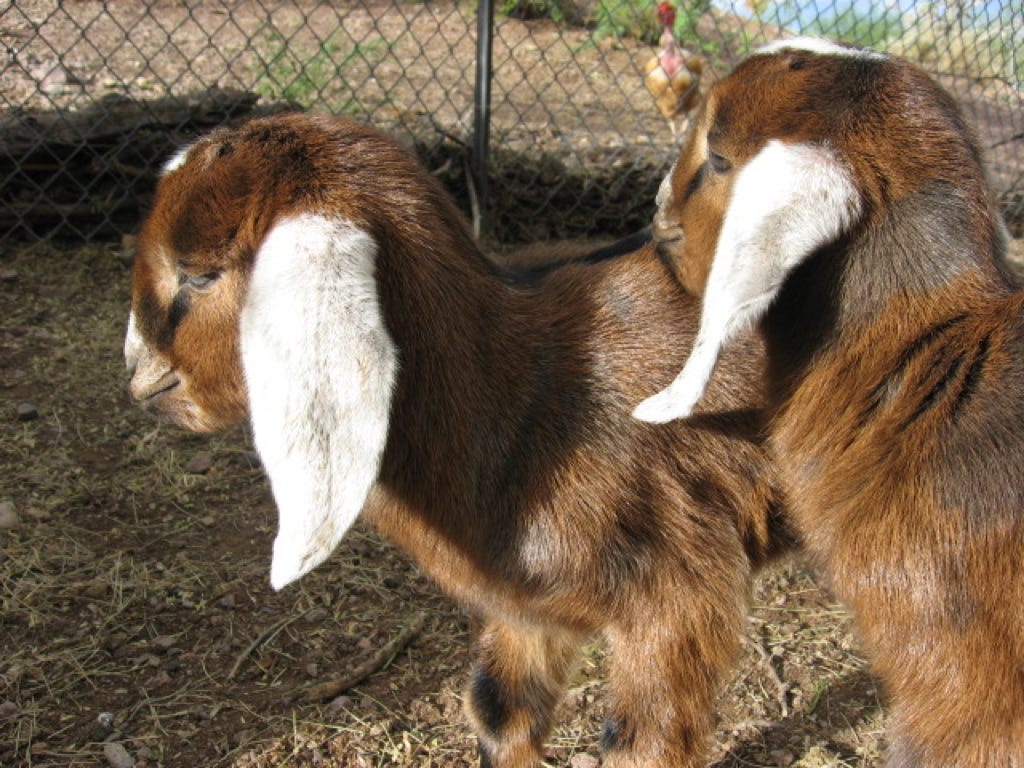
In 1984 I moved to my current location. Around the year 2000 I began to introduce regenerative farming practices here on my farm.
currently
Several months ago I became involved with a group of like minded souls in this valley who, in an effort to save our community garden, formed a local, regenerative, farmers coop. The fact that the formation of the Arivaca CoOp is taking place while a war is happening in the Middle East, a war that’s already causing negative economic impacts here at home, has lent considerable urgency to this project. That urgency has forced those of us working on this coop to focus on what needs to be prioritized.
This takes us back to the 3 priorities I mentioned 2 weeks ago, food, water and power. In that same post, as part of a power solution, I described my simple lifestyle and my bare bones solar system. Last week we considered how a regenerative, local farmers coop can serve as a bulwark against those predatory elite who seek control of our food production, especially at a time when those same, nasty globalists are trying to further consolidate ever more control via war in the Middle East.
a local coop model for meat, dairy, eggs and fiber production
Today let’s consider how a local, regenerative CoOp can help us bypass even more elitist hubris, including the ridiculous regulations that hamper our ability to access locally produced, nutritionally superior, 100% pasture raised meat, fiber and dairy products.
Along the way, we’ll explore how doing those things bypasses the globalist status quo.
meatless community gardens?
As was explained in the previous post, what is now the Arivaca CoOp was previously a community garden. For those unfamiliar with how community gardens work: One typically gains access to a small plot of ground, often held by a nonprofit organization, to grow a few annual vegetables. As I pointed out in the last post, this format is rife with issues, cross pollination being a big one.
Perhaps the biggest shortcoming of the community garden format is the inability to produce pastured meat, dairy, fiber and eggs. We all know the importance of high quality animal protein and fat in the diet (if you don’t, read Nourishing Traditions by Sally Fallon) and there is no better source for that meat and fat than ruminants and poultry that are allowed to eat their ancestral diet in their ancestral way, foraging on pastures under blue skies.
how the globalist food system falls flat on its face
C15:0 (odd chain pentadecanoic acid) is a recently discovered essential fat. Lest we forget, our body doesn’t make essential fats, we can only get them from our diet. Like omega3 essential fatty acids that can only be derived from wild, cold water fish like sardines, salmon and trout (or krill), C15:0 can only be derived from cattle grazing on grass, or goats, sheep and other ruminants foraging on forbs and perennials. This fat is synthesized by microbes in the rumen (the first stomach of a ruminant) during the fermentation of fibrous plant material. In other words, ruminants fed grains and other industrial slop in the globalist CAFO (feed lot) model, will generate little or no essential C!5:0. Furthermore, because grains are high in problematic polyunsaturated fats, instead of getting healthy C15:0 fat from pastured cattle, people eating CAFO beef and dairy products are getting fat and sick from commercial products loaded with problematic, polyunsaturated omega6 fats.
Although C15:0 can be found in the marbeling, visceral and leaf fats of these ruminants, it’s more concentrated in their milk. Sheep have the highest milk concentration of C15:0, followed by goats, then cattle. This fat is further concentrated in butter and cheese made from the milk of sheep, goats and cattle that forage on pasture for 100% of their diet.
After 3 months of testing people eating C15:0, a study found that in addition to people having greater weight loss, they also had -
Decreased body fat, including less visceral fat
Lower insulin and glucose levels
Reduced triglycerides
Less liver fat
Healthier gut microbiome
Better blood pressure
Another important nutrient that ruminants derive from foraging on Gods green pastures are the rather large class of red, yellow and orange pigments that, as a group, are known as carotenoids. We get those same pigments when we eat colorful fruits and vegetables. We know them as important phytonutrients that serve as antioxidants. They serve that same function in ruminants.
Lactating livestock foraging across a healthy, green, landscape will put a lot of those carotenoids into their milk to protect their nursing offspring. This is what gives high quality butter made from 100% pastured cows milk a nice yellow color. If the cattle are not getting sufficient carotenoids in their diet, butter made from their milk will lack that yellow color. This is why most commercial butter has no color. Commercial dairy cows are fed a ration of grains and silage in a barn and may never set foot on fresh, green, pastures. This results in nutritionally inferior dairy products. It also results in people who eat from that ungodly food system being nutrient deprived.
goats and sheep are different
When we consume the carotenoids alpha-carotene, beta-carotene, and beta-cryptoxanthin found in vegetables like leafy greens and carrots, our bodies convert them into retinol, a form of vitamin A.
The same thing happens in goats and sheep, which is why butter made from goats and sheep milk has no yellow coloration. Those carotenoids have already been converted into retinal.
poultry
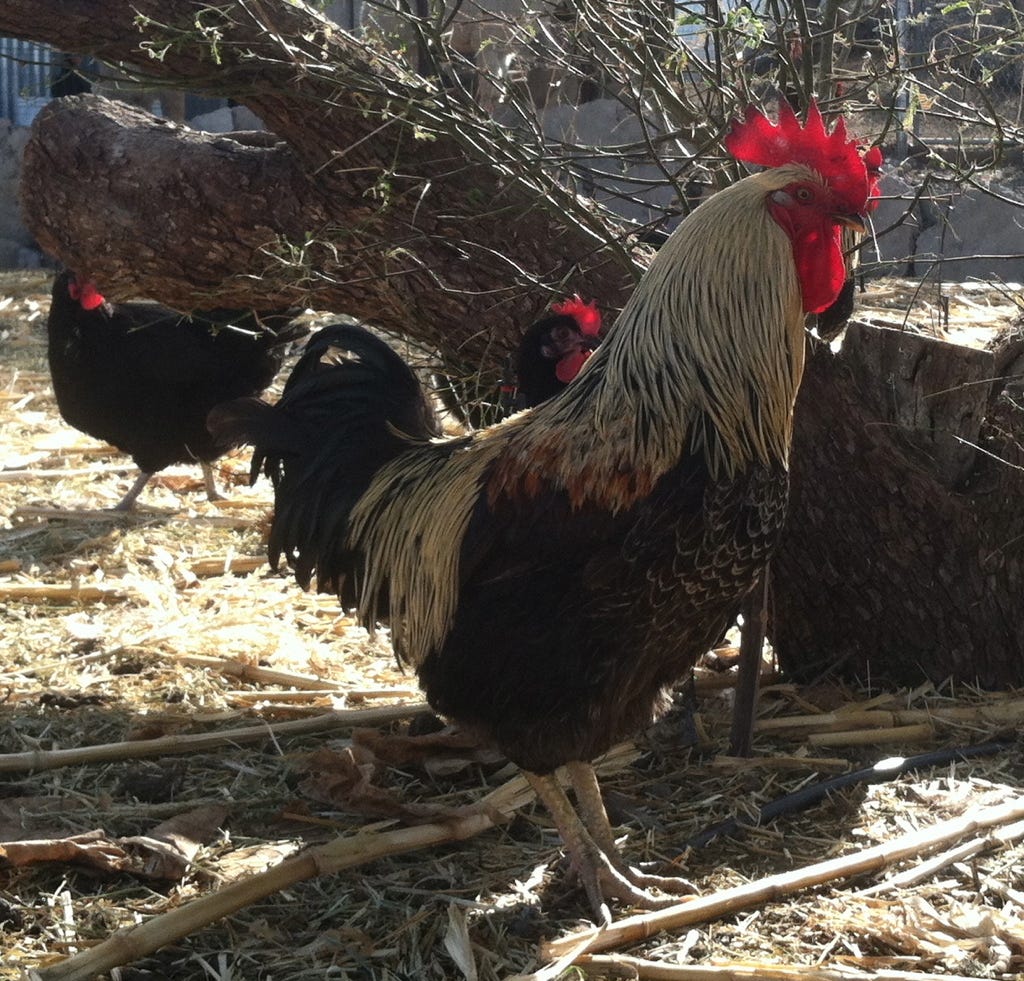
Chickens and other poultry foraging on pastures will consume a surprising amount of greens. I estimate my little flock of 28 chickens eats about 5 to 10 pounds of greens every day. Like lactating ruminants, chickens will set aside a certain amount of carotenoids from those greens for their offspring by putting them into their eggs. The sign of a hen getting sufficient carotenoids in her diet will be her deep orange egg yolks. Right now I’m eating 5 of those raw yolks in something resembling a Bearnaise sauce I make every morning to put on my breakfast.
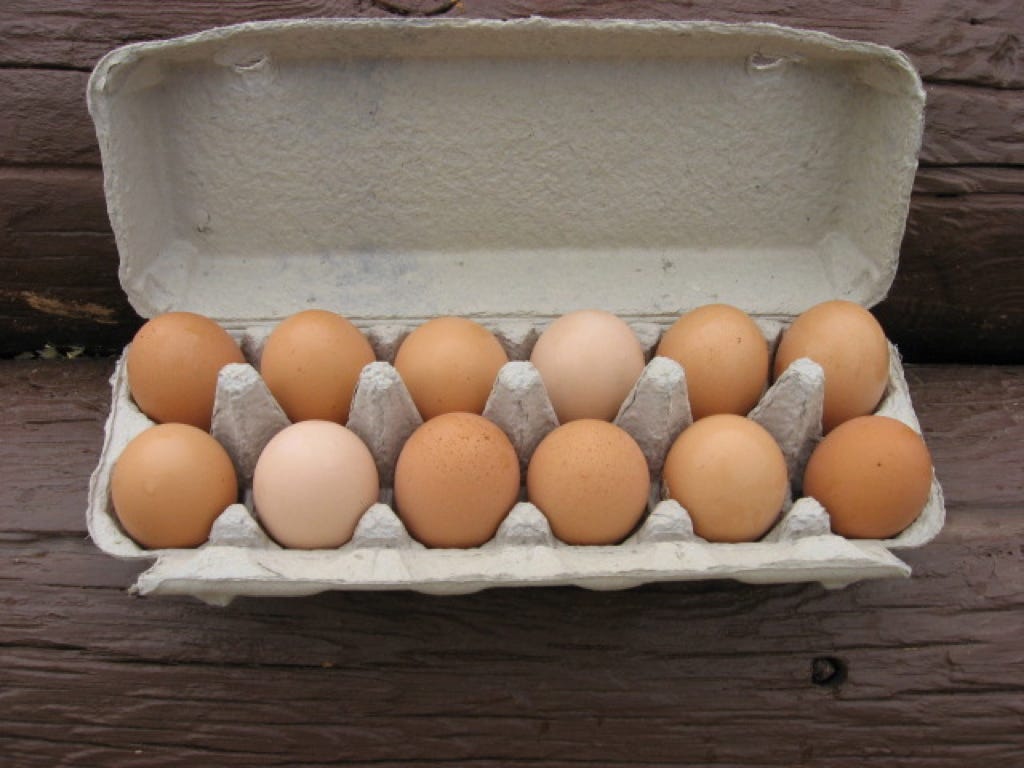
Like the colorless butter cranked out by the industrial food complex, due to being fed commercial feed devoid of fresh greens, while also being contaminated with glyphosate and other toxins used to grow the grain and bean crops used to make chicken feed, commercial eggs will be a bland, pale yellow.
We are what we eat.
getting those local pastured animal products into local bellies
The Arivaca CoOp has a number of small, irrigated paddocks. We’ll soon be introducing goats and chickens into a rotation through them. I’ll be documenting this process with photos and videos. Look for those soon.
For reasons I don’t fully understand, meat from poultry is regulated differently than meat from animals with four legs. Although this varies from state to state, many states allow a small farmer to grow and process, without USDA inspection, up to 10,000 poultry per year. In some states, if you do 10,001, you need to jump through all the regulatory hoops and pay through the nose for USDA inspection.
A lot of folks here raise and slaughter their own poultry. For those who do not, the Arivaca CoOp could legally fill the poultry gap in this valley without running afowl of the authorities.
Fortunately for small farmers, egg production below a certain threshold is largely unregulated.
Meat from four legged animals is a whole ‘nuther can of worms. For seemingly mysterious reasons (explained shortly), red meat is highly regulated, requiring USDA inspection for resale. Achieving those USDA inspections is an expensive and time consuming process. Commercial meat packers don’t want you to know that the reason for USDA inspection has nothing to do with concern for your health and everything to do with the big meat packers lobbying congress to squeeze out the little guy.
When I was a kid my dad could shoot a steer in our farmyard, hoist it up with a tripod, slaughter it right there in the yard, and legally take that meat directly into town and sell it to a grocery store, a restaurant or anyone else who wanted to buy it. That system worked very well for 10,000 years. Then, in the early 1960’s laws began to be passed that favored consolidation among meat processors. Those big processors hated competition from little producers like my dad, so they used their big bucks to lobby congress to get regulatory laws passed that put tens of thousands of folks like my dad out of business.
Today, 60 years later, change is in the wind. Vermont is working on a bill that will allow home slaughter and processing. Congressman Thomas Massie has introduced a bill called the PRIME Act that will ease regulations on small, local processing facilities like the one recently built by my neighbors. This facility will make the production and processing of goat meat by the Arivaca CoOp a viable option.
But what really makes the CoOp model viable from the highly regulated meat perspective is the fact that no money needs to change hands for locals to gain access to CoOp meat. Local folks can volunteer to help out at the CoOp farm in exchange for meat. Doing so bypasses the globalist stranglehold on meat.
All of these local endeavors by our local CoOp will help move this valley much closer to a local, pasture based meat and poultry production. I’m looking forward to the day when folks in this valley can say good riddance to the 4 monopolistic meat packers that currently control 85% of the US meat market; Tyson, Cargil, JBS and National Beef.
As I explained in the last post, the Arivaca CoOp will encourage local participation by trading any product it produces for help. Unlike the community garden model, this coop model will be able to provide participants with hearty, solid food like meat, eggs and dairy.
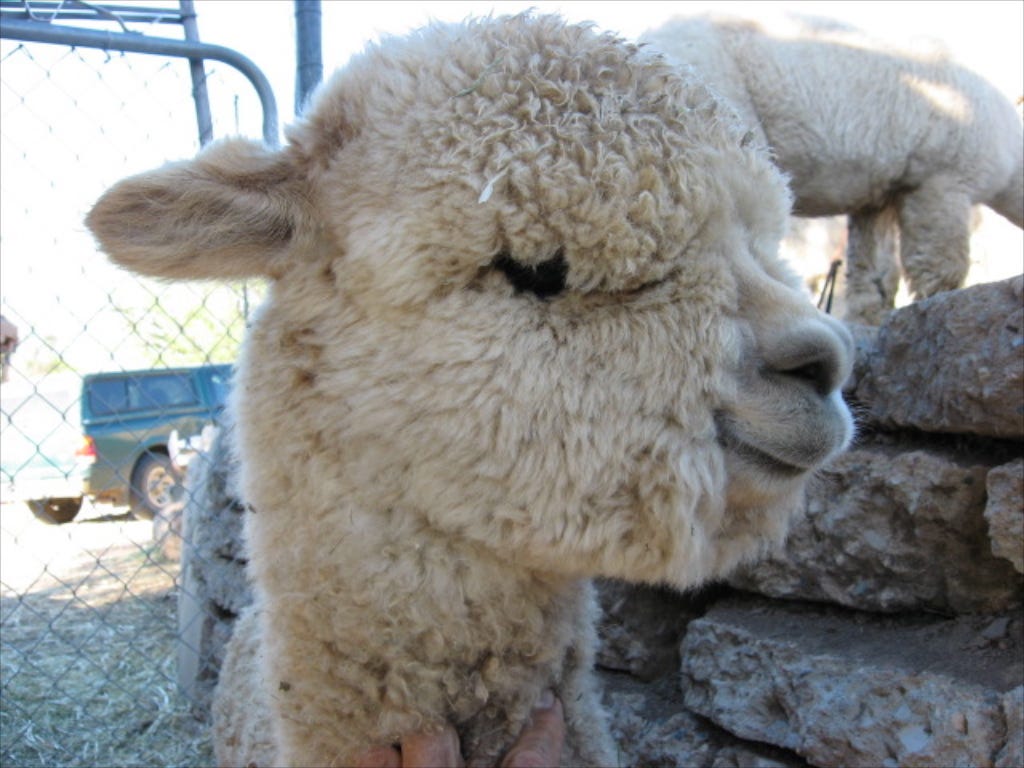
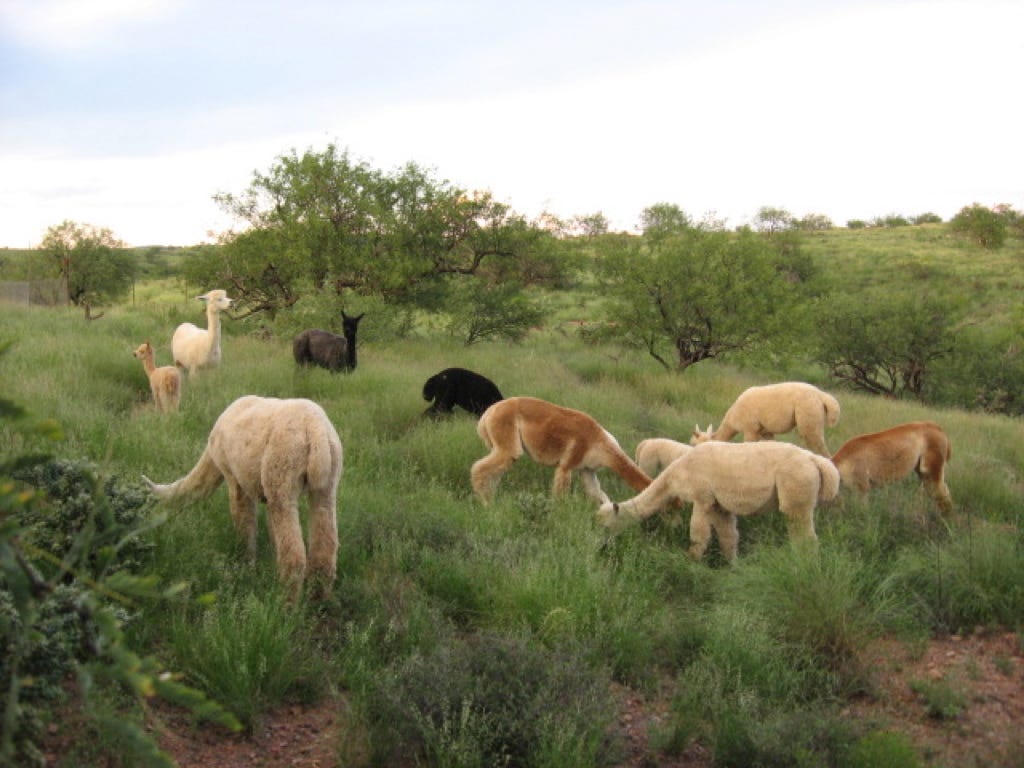
At some point in the future I hope to bring fiber production, including spinning and weaving, into the CoOp.
dairy products
No part of the food system is more heavily regulated than dairy products. Government regulators try to justify their existance by spreading fear porn about “contamination”. The reality is, 16% of government regulated commercial milk gets thrown out every year. That’s 3.7 million gallons of milk every day. When we consider the inherent ease with which industrial scale dairy processing can be contaminated, we should be much more concerned about contamination by industrialization processes than by a home or local coop based producer. The small, local producer knows that, because their local customers have access to them, if they sell a bad product they’ll lose those customers. Contaminated dairy products coming from a distant corporation have no face behind them, no one to hold responsible.
Raw milk has naturally occurring microbes that prevent it from spoiling. On several occasions I’ve done an experiment with dubious interns here. I’ll put a quart of commercial, pasteurized milk on the kitchen counter next to a quart of fresh, raw milk and let them set for several days. The raw milk will curdle and separate into healthy, probiotic rich curds and whey, the precursors of cheese. Because the pasteurized milk has no live cultures in it, it becomes putrid and begins to smell really bad. Consuming it will make one very sick. Again, thanks to lobbying by big dairy, the latter is what the regulatory agencies want us to consume.
This sad situation came about because big milk producers wanted to be able to ship milk long distances. Even under refrigeration raw milk will curdle and separate over time, making it unfit for long haul shipping. Homogenized, pasteurized, refrigerated milk travels very well. Hence, most states require pasteurization. Arizona, where I live, never has.
the arivaca coop model
Right now the paddocks can support about 12 or 14 goats and maybe 30 to 40 chickens. Over the next year or so, we could expand the amount of paddocks to possibly double those numbers.
Initially, the job of the goats is to turn winter cover crops into fertilizer and spread it around their paddocks. Chickens will follow the goats in rotation to clean up bugs and weed seeds and turn that into more fertilizer. It will take a number of these goat/chicken rotations to get the soil back up to par.
The chickens will begin producing eggs soon, but it will be some time before we’ll have enough birds to cull the flock for processing. Because I can only spare 3 does right now for the coop, we’ll have to breed them to make more. That means it may be a year or so before we have freshened goats. It will then be two years before we have goat meat to process.
We know we can market goat meat, processed birds and eggs, but we’re still trying to determine how to take advantage of the milk from the dairy goats. We have the facilities to make aged cheese. The problem will be finding volunteers who will milk the goats daily and do the cheese making. Hopefully, that will work itself out.
The next big thing on the agenda is to convert the well to solar power so we’ll no longer be dependent on globalist energy sources to irrigate pastures and crops.
At some point down the road, we’ll need to revisit that ultimate globalist bypass technique, natural building, and consider how that fits into the CoOp model.
Be free.
Another sterling example of self preservation and independence. Interesting read all around.
It's genuinely heartening to read about people who are actually doing something to enhance their communities by making them more self-sufficient and, in the process, healthier! So thanks for that and the best of luck with your new co-op.
As a lover of all things natural fiber, I can say that alpaca bred specifically for fiber is lovely to knit and crochet with, making for very soft, warm garments. It's only drawback is it lacks the stretch of wool - something that can be overcome by taking that into consideration when choosing patterns and/or blending it with a nice merino wool to retain softness while enhancing stretch. A 50/50 blend of those two fibers is my favourite knitting and wearing experience!